
 Craig Alexander - Soul Revival
 All Stars - Older Slower Softer
 Peter Baartmans, George Fleury - Yamaha Electone. Mehr Als Eine Orgel. Yamaha 1887-1987
 Duke Dumont - Won't Look Back
 George Formby - Formby Favourites
 Shout Out Louds - Tonight I Have To Leave It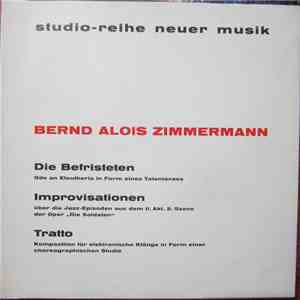
Title:
Bernd Alois Zimmermann - Die Befristeten / Improvisationen Über Die Oper "Die Soldaten" / Tratto download free
Performer:
Album:
Die Befristeten / Improvisationen Über Die Oper "Die Soldaten" / Tratto
Country:
Released:
Genre:
Style:
Free Jazz, Contemporary, Experimental
MP3 archive size:
1661 mb
FLAC archive size:
1302 mb
WMA archive size:
1606 mb
Other formats:
VOC AAC AIFF AUD VQF MP1 MP3
Rating:
4.7
Votes:
172
Download links
Tracklist Hide Credits
| A1 | "Die Befristeten" Ode To Eleutheria In The Form Of Death Dances | 19:16 |
| A2 | "Die Soldaten" Jazz Episode, Act II, Scene 2Acoustic Bass – Buschi NiebergallClarinet, Soprano Saxophone, Tenor Saxophone – Gerd DudekCornet – Manfred SchoofDrums – Jaki LiebezeitEnsemble – Manfred Schoof QuintetPiano, Piano [Drahtklavier] – Alexander Von Schlippenbach |
2:22 |
| B | Tratto: For Electronic Sounds In The Form Of A Choreographic Study | 15:11 |
Companies, etc.
- Produced At – Rhenus Studio
Credits
- Composed By, Liner Notes – Bernd Alois Zimmermann
Notes
A1 - Ode to freedom in the form of a dance of death from the music to the radio play "The Numbered" by Elias Canetti.A2- Improvisations on the jazz episode from the second act, second scene of the opera "The Soldiers"
B - Composition for electric sounds in the form of a choreographic study ; electronic realization by the Cologne High School of Music and Rhenus Sound Studio, Cologne.
Comes in gatefold cover with booklet.
Other versions
| Category | Artist | Title (Format) | Label | Category | Country | Year |
|---|---|---|---|---|---|---|
| 2549 005 | Bernd Alois Zimmermann | The Numbered / Improvisations / Tratto (LP) | Heliodor | 2549 005 | US | 1970 |
| 89 839 | Bernd Alois Zimmermann | Die Befristeten / Improvisationen Über Die Oper "Die Soldaten" / Tratto (LP, Album, Gat) | Heliodor | 89 839 | Canada | 1967 |
| 89 839 | Bernd Alois Zimmermann | The Numbered - Improvisations - Tratto (LP) | Heliodor, WERGO | 89 839 | Canada | Unknown |
| WER 60031 | Bernd Alois Zimmermann | Die Befristeten / Improvisationen Über Die Oper "Die Soldaten" / Tratto (LP, Album, RE) | Wergo | WER 60031 | Germany | 1972 |
| 2549 005 | Bernd Alois Zimmermann | The Numbered - Improvisations - Tratto (LP) | Heliodor | 2549 005 | UK | 1970 |
Related Bernd Alois Zimmermann - Die Befristeten / Improvisationen Über Die Oper "Die Soldaten" / Tratto albums
 A.P. - Movin / Form / Temple Twitch / Stiff Nipples download
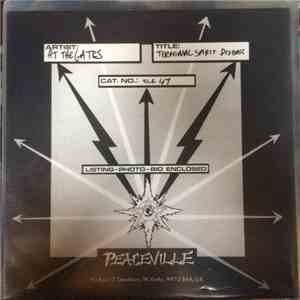 At The Gates - Terminal Spirit Disease download
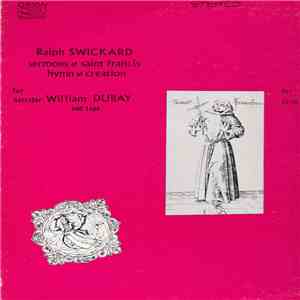 Ralph Swickard / Kenneth Heller - Sermons Of Saint Francis / Hymn Of Creation / Labyrinth download
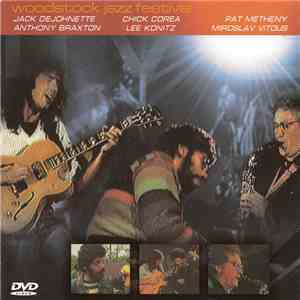 Jack DeJohnette / Chick Corea / Pat Metheny / Anthony Braxton / Lee Konitz / Miroslav Vitous - Woodstock Jazz Festival download
 Friedemann Graef / Achim Goettert - Saxoridoo download
 Hall High School - Hall High School Presents Pops 'n Jazz 1997 download
- Various - The Definitive Jazz Scene Volume 3 download
 Archie Shepp - Horace Parlan - En Concert: 2nd Set download
 Charles Mingus - Reevaluation: The Impulse Years download
 The Sounds Of Synanon / The Synanon Choir - The Prince Of Peace: A Rock-Jazz Cantata download

 Lady Ann, Keeling Beckford - Loving Stylee
 Jin + Quortoth - Zaporo EP
 Lionel Richie - Live
 Moon / Intra Tenebrae / Mystified - Magick Rituals I: The Magick Seal
 Japery - Crabmeat Beats
 Bicep - Bicep
 AFX - Analogue Bubblebath 4
 Round One - I'm Your Brother
 Clint Mansell Performed By Kronos Quartet & Mogwai - The Fountain (Original Motion Picture Soundtrack)
 Donna Summer - Donna Summer
 Arthur Russell - In The Light Of The Miracle
 John Digweed - Live In Miami 1/5
 Son Lux - Bones